
Idea board
Eco ideas without the gimmicks
A bento-style grid: uneven tiles, mixed emphasis, and quick scans—intentionally different from timeline and zigzag pages.
Repair culture
Start with seams and soles
Small repairs prevent big replacements. A stitched seam or a resoled shoe saves materials and money; keep a basic sewing kit where you actually sit down to fix things.

Seasonal eating
Pick one local ingredient each month and learn three recipes. Seasonal food often travels less and tastes stronger—your motivation stays higher.
Refill routes
Map refill stops along commutes you already take; detours die quickly.
Swap meets
Clothing and kids’ gear swaps turn decluttering into community utility.
Digital declutter
Unused cloud storage still has server impact. Delete duplicates, unsubscribe from noisy retail mail, and archive old projects you will not reopen.
Water wisdom
Fix drips before buying gadgets; a steady leak can waste more than a long shower.
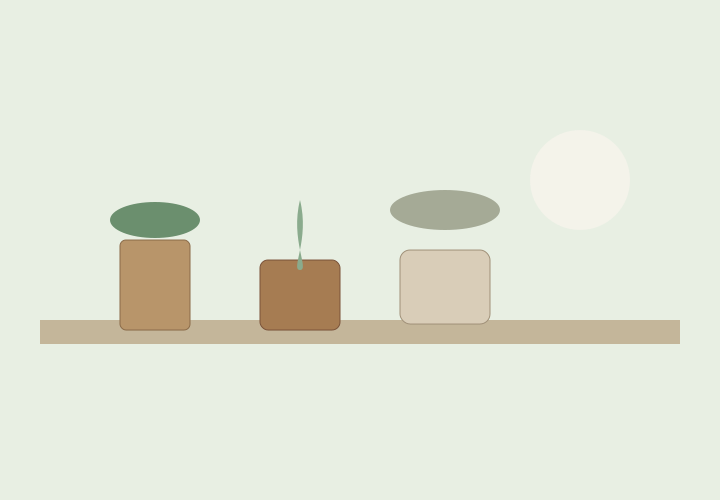
Growing food in small spaces
Even a sunny windowsill can grow herbs that replace plastic-clamshell purchases. Choose plants you will actually eat, and accept that one thriving pot beats five neglected ones. Water on a schedule tied to an existing habit—after morning coffee, for example—so care does not rely on memory alone.
Soil health matters: reuse potting mix carefully, refresh nutrients, and compost if local rules allow. If you cannot compost, focused food waste reduction still yields a large benefit.
Ideas are experiments
Try an idea for two weeks before judging it. Note friction points honestly: if a refill shop is pleasant but far, combine trips. If a recipe creates leftovers you dislike, adjust portions rather than abandoning the plan. Document one lesson per experiment so your future self benefits.
